5 Insights into Chinese Society Survival Logic: Understanding “Eating the Extinct Household”
The survival logic of Chinese society is deeply rooted in its family-based structure, long-term scarcity mindset, and intense social competition. Unlike Western individualism, Chinese society operates through kinship networks, social obligations, and hierarchical relationships.
One concept that captures this logic perfectly is “eating the extinct household.”
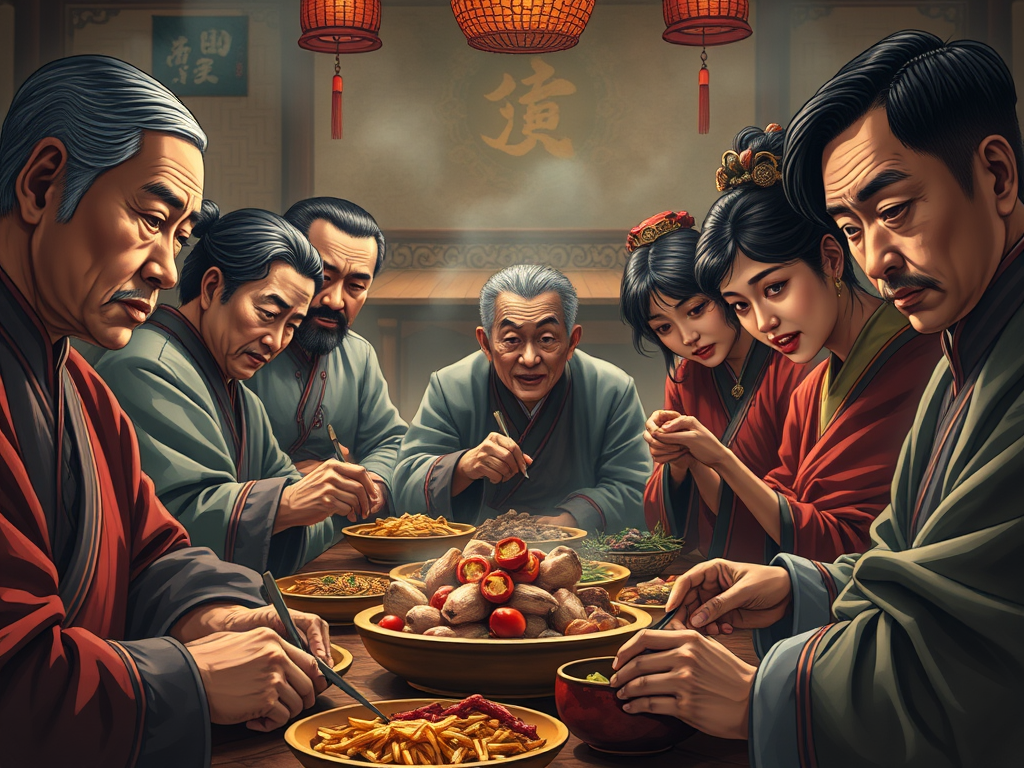
Originally, it referred to a brutal historical practice: when a family lost its protector, relatives or neighbors would divide its property and leave nothing behind.
But today, this concept is more than history.
It reveals a deeper psychological pattern in Chinese society—one shaped by scarcity, insecurity, and competition.
##What Is the Survival Logic of Chinese Society?
To understand Chinese society survival logic, we must first understand one assumption that dominated for centuries:
Resources are limited.
In traditional agricultural China, land was fixed, productivity was low, and population kept growing. This created a zero-sum environment:
- If you gained more, someone else lost
- If you improved your life, others faced decline
Under such conditions, survival was not about creating value—
but about competing for existing resources
This is the foundation of the “eating the extinct household” mentality.
##Why Scarcity Shaped Chinese Society
The scarcity mindset in Chinese society did not appear by accident.
It was shaped by two major factors:
1. Geographic Isolation
China historically developed within a relatively closed system, surrounded by mountains, deserts, and oceans.
2. Constant Survival Pressure
Agrarian societies were repeatedly challenged by external forces, especially from northern regions.
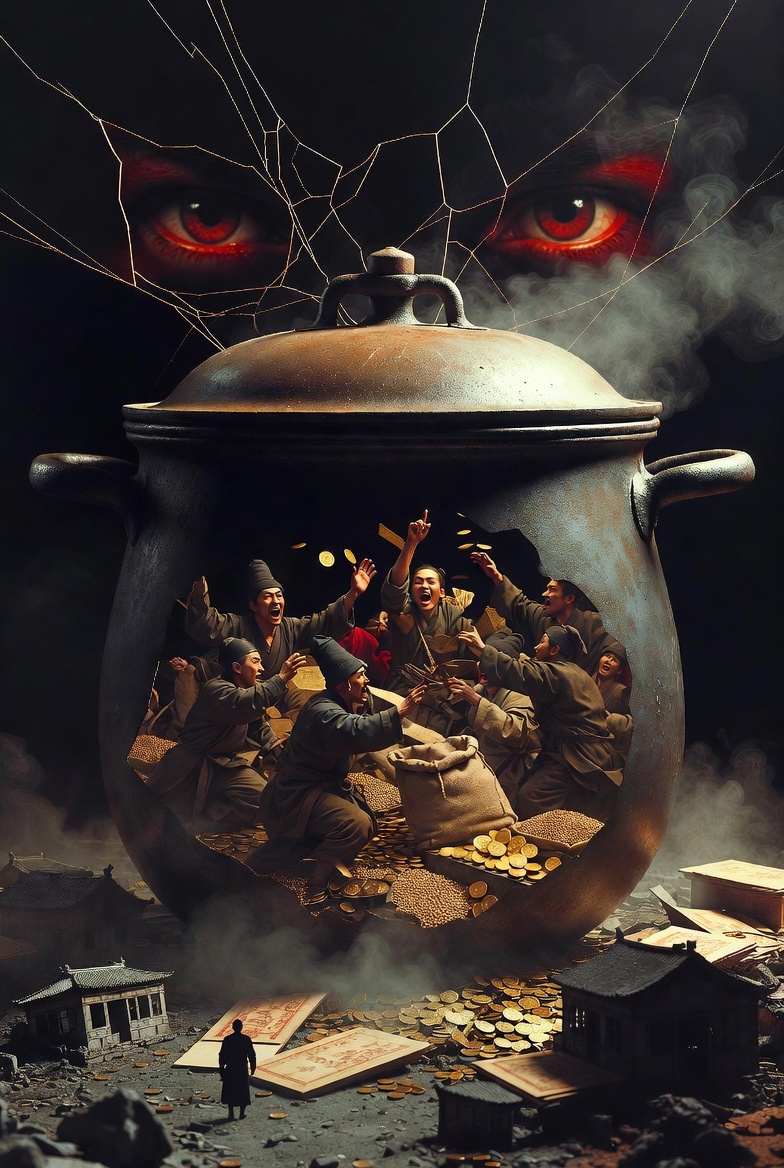
Together, these created a system that functioned like a pressure cooker:
- Limited resources
- Constant threats
- High population density
This environment intensified competition and reinforced scarcity thinking.
##The Role of Family Structure in Chinese Society
Family structure is at the core of Chinese society survival logic.
Unlike individual-centered systems, Chinese society is built on:
- Kinship networks
- Family responsibility
- Intergenerational dependence
This structure creates both:
- Support systems
- Competition within and between families
When survival depends on family continuity, the collapse of one household becomes an opportunity for others.
This is where the concept of “eating the extinct household” becomes socially meaningful.
##The “Pressure Cooker” System and Social Competition
Historically, access to power and resources followed a single path.
Opportunities were limited and tightly controlled:
- Status came from official positions
- Wealth often depended on political connection
- Independent paths were restricted
This created a system where:
👉 Everyone competed within the same narrow channel
In such an environment, the most efficient way to rise was not cooperation—
but outcompeting others
At its extreme, this logic manifests as:
“If you fall, I survive.”
##Why the Scarcity Mindset Still Exists in China
Modern society has changed:
- Technology creates new wealth
- Markets allow cooperation
- Growth is no longer strictly zero-sum
But the psychological structure remains
Many people still:
- Feel constant insecurity
- Fear falling behind
- View competition as life-or-death
- Struggle to trust cooperation
This is the legacy of historical survival logic.
In other words:
We have left the pressure cooker—but still think as if we are inside it.
##Conclusion: Moving Beyond the Old Survival Logic
The era of “eating the extinct household” may be over.
But the mindset it created still shapes behavior today.
Understanding Chinese society survival logic is not about criticism—
It is about awareness.
The real shift forward is:
- From taking → to creating
- From competition → to cooperation
- From fear → to stability
Perhaps the moment we stop fearing scarcity
is the moment we finally step beyond it.
原文
吃绝户:中国社会最隐秘的生存法则
你有没有听过“吃绝户”这个词?
它原本指的是一种残酷的旧俗:一家之主去世,留下孤寡无依的妻女,族人乡邻便蜂拥而至,瓜分其家产、田宅,甚至将孤儿寡母扫地出门。连皮带骨,一口不剩。
但今天,我想跟你聊的,不只是这个陋习。
我想说的是:“吃绝户”这三个字,藏着理解我们这个民族性格的一把钥匙。 它解释了我们为什么总是“饿”,为什么总觉得“不够”,为什么即使吃饱了,心里也永远悬着一块石头。
这不是一篇历史论文。这是一次对我们文化基因的解剖。
01 一个1000年前的“共识”
故事得从1000多年前的宋朝讲起。
司马光,就是砸缸救人的那位。他在朝堂上攻击政敌王安石时,说了一句在当时被认为是“真理”的话:
“天地所生,财货百物,只有此数,不在民则在公。”
翻译成大白话就是:天下的好处就那么多,不是在你手里,就是在朝廷手里。就像一个池塘,只能养这么多王八,要么被老百姓捞回家,要么被皇帝捞了去。
在今天看来,这话很扯。我们都知道,池塘可以养鱼养虾,甚至可以养出乔布斯这样的“哥斯拉”。但在那个农业社会,耕地就那么多,亩产就那么多,财富总量确实是有天花板的。
既然财富是固定的,而捞的人(人口)却越来越多,那会发生什么?
零和博弈。
你多吃一口,我就得少吃一口。你的日子好过了,我的日子就难过了。一个人要“进步”,最直接的方式,不是创造新的价值,而是从别人手里抢。
这个逻辑,是理解一切的前提。
02 一口“高压锅”的诞生
那么问题来了:为什么是这里,形成了如此残酷的零和博弈?
两个原因。
第一,地理上的“围城”。 东亚这块地方,北边是苦寒之地,西边是沙漠高原,东边和南边是大海。历史上,想跟外界交流,难如登天。唐玄奘去趟印度,走了九九八十一难。所以,这片土地上的人,只能自己跟自己玩。
第二,生存压力极大。 北方的草原,是游牧民族的“刷新点”;东北的森林,是渔猎民族的“刷新点”。他们像潮水一样,一波一波地冲击着这片农耕文明。生存压力从未消失。
这两个特点叠加在一起,就像一个封闭的“高压锅”。锅里的规则,由最强者制定,由所有人遵守。
而这个规则的底层代码,就是——秦制。
03 秦制的核心:只留一个“孔”
说到秦朝,你可能会想到:横征暴敛、严刑峻法、军功授爵。但这些只是表象。
秦制的核心,只有四个字:利出一孔。
什么叫“利出一孔”?就是全天下所有的资源、所有的上升通道,都只能从朝廷这一个“孔”里出来。其他所有的“孔”,全部堵死。
- 你想追求权力?只能走科举,去写八股文,当朝廷的官。
- 你想追求财富?最好也是去当官。商人?可以存在,但地位必须压到最低。因为商人不靠朝廷,靠市场,不好控制。
- 你想搞点学问?可以,但你的学问必须跟朝廷保持一致。否则,就是“妖言惑众”。
- 你想组织个养猪协会?哪怕你压根没想造反,朝廷第二天就派人来把你灭门了。
法家早就看透了,把社会上那些“不听话”的人——学者、说客、游侠、商人——统统称为“蠹虫”,必须消灭。为什么?就因为他们能不靠朝廷,凭自己的本事活着。
这套逻辑运行的结果,就是所有人都被塞进一口高压锅,唯一的出气孔攥在皇帝手里。锅里的人要“进步”,只能踩着别人的脑袋往上爬。
这种“进步”的最高效率形态,就是——
吃绝户。
04 没有人是安全的
在“吃绝户社会”里,你永远不知道,背后是不是有眼睛在盯着你,等着你变成“绝户”。
普通的村子之间,为了半亩田、一渠水,全村男女老少拿着锄头齐上阵,打得一半人家成了寡妇,成了绝户。
权贵之家又如何?哪天皇帝心情不好,或者农民起义,或者同僚陷害,全家就得整整齐齐地被端上餐桌。
这套模式的底层架构,有一个无法修复的Bug:它必须依靠社会活力来运转,但又必须严防社会活力的发展。 最终,它会被自身的重量压垮,然后“高压锅”爆炸——兵灾连年,人相食,户口十去其九。
然后,一切重来。
在这样的环境里,人的心理会发生什么?
永远匮乏,永远饥饿,永远没有安全感。
这不是说我们真的饿到了要吃观音土。在现代社会,吃饱穿暖早已不是问题。问题是第二层——安全感。
即使当下吃得再饱,你也不知道有没有下一顿。你更不知道,你的子孙后代,什么时候会成为别人嘴里的肥肉。
这种对未来的不可预测的恐惧,刻进了我们的文化基因里:
- 我必须吃得更多,攒得更多,以对抗那个永远悬在头顶的未知风险。
- 我必须比别人强,不能落后,因为落后就要被“吃”。
这就是“匮乏心理”的真正来源——不是饥饿本身,而是对饥饿的恐惧。
05 时代变了,但我们还没变
曾经,人口的增长远快于生产力的增长,每个人都被迫卷入零和博弈。为了活着,为了家人,必须从别人嘴里抠出粮食。那是时代的无奈。
但今天,时代变了。
我们早已不是那个只能养“王八”的池塘。技术可以创造增量,商业可以带来共赢。零和博弈早已不是社会的主流。
可问题是,我们心里的那口“高压锅”,还没卸掉。
我们依然焦虑,依然觉得不够,依然用“吃绝户”的逻辑去看待身边的人。我们把竞争当成你死我活,把合作当成相互算计,把成功当成掠夺。
如果还抱着这种以野蛮和掠夺为荣的想法,我们注定会被这个时代抛弃。
写在最后
写这篇文章,不是为了批判谁,更不是为了否定我们的历史。
而是想让我们看清:我们为什么会成为今天的样子。
那个“吃绝户”的时代,确实过去了。但它留在我们心里的饥饿感,还在。
真正的出路,不是继续抢别人手里的“王八”,而是跳出那口高压锅,去创造属于自己的池塘。
当我们不再恐惧“不够”的时候,才是真正“够了”的时候。